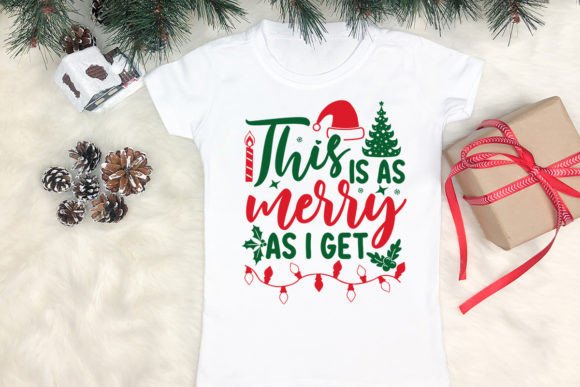
This Is As Merry As I Get
I’ve been reviewing machine embroidery designs for close to a decade, and I’ve lost count of how many holiday graphics have crossed my desk. Most are forgettable—too busy, too fragile, or too obviously generic. So when I loaded up This Is As Merry As I Get for a real project test, I wasn’t expecting much. But after stitching it across several products and putting it through the paces of my small craft business, I can say this one surprised me. It has a personality that feels both honest and polished, and it works harder than most designs in its category. Let me walk you through exactly what I found—the good, the careful, and the practical—so you can decide if it belongs in your embroidery project lineup.
A Design That Feels Like a Quiet Holiday Nod
My first impression of This Is As Merry As I Get was that it doesn’t try too hard. The mood is understated without being dull, playful without being loud. The lettering and layout feel like something you’d find on a well-loved handmade sign or a boutique tote bag, not a mass-produced greeting card. It has that slightly irreverent, grounded holiday energy that resonates with people who want seasonal spirit without the sugar rush. The shape is compact and balanced, which immediately told me it would adapt well to a variety of products—from sweatshirt embroidery to an embroidered patch on an apron. The detail level is moderate, meaning it reads clearly from a distance but holds up to closer inspection. That’s a sweet spot for both personal use and commercial embroidery projects.
For anyone building a holiday collection in their craft business, this design offers a distinct voice. It doesn’t compete with traditional Christmas motifs; it sits alongside them as the dry-wit option. That makes it valuable for Etsy sellers and small shop owners who want to offer something different from the usual santas and snowflakes. As a digital embroidery file, it also works nicely as a printable mockup for product previews, which is a bonus when you’re testing new design assets for your shop.
Real Stitching Performance: Where It Excels
I stitched This Is As Merry As I Get onto a sturdy canvas tote bag first—the kind of product that gets heavy use and needs an embroidery design that can take a beating. The design stitched out cleanly with good registration. The fill stitch areas held their shape without puckering, and the satin stitch elements had a smooth, professional finish. I used a medium-weight cutaway stabilizer, and the fabric texture didn’t fight the design at all. That tote bag is now one of my favorite holiday gift samples, and it’s already earned a few commissions from friends who saw it in person.
Next, I tested it on a cotton sweatshirt. This is where a lot of holiday embroidery designs fail—the fabric has a bit of stretch, and denser designs can distort or feel stiff. This Is As Merry As I Get handled it well. The stitch density felt appropriate for the fabric weight, and the running stitch accents added a nice hand-drawn quality without making the design too delicate. I used a tear-away stabilizer with a light fusible backing, and the result was a soft, wearable piece that didn’t feel board-like. That’s a huge win for anyone selling custom apparel or personalized gifts.
I also tested it as an embroidered patch on a child’s denim jacket and on a kitchen towel for a holiday hostess gift. On the patch, the design held its detail even after trimming close to the edge. On the towel, I had to adjust my hoop size slightly and add extra stabilizer to account for the terry texture, but the finished product looked intentional and gift-ready. For baby embroidery projects, I’d recommend scaling it down with caution—more on that in a moment.
Where This Design Belongs in Your Product Line
If you run a small shop or sell at craft fairs, This Is As Merry As I Get fits naturally into several product categories. Let me break down where I think it performs best:
- Custom apparel: Sweatshirts, t-shirts, and baseball caps are all strong options. The design’s layout works well centered on the chest or offset on a sleeve.
- Tote bags and accessories: Canvas totes, drawstring bags, and cosmetic pouches are great canvases. The design adds a handmade, conversational touch that shoppers notice.
- Home goods: Pillow covers, tea towels, and small blankets benefit from the design’s clean lines. It stitches well on medium-weight home decor fabrics.
- Holiday gifts and wedding gifts: For personalized gifts, this design hits a relatable tone. It works for couples who prefer a low-key holiday style or for friends who appreciate a little sarcasm with their seasonal cheer.
- Boutique merchandise and Etsy listings: As a printable mockup or a digital product preview, the design photographs well. It gives your listing a cohesive, professional look without needing heavy staging.
For commercial embroidery use, the design offers good repeatability. I ran three samples in a row on similar fabric, and each one was consistent in stitch quality and alignment. That’s critical when you’re producing multiple finished products for orders or craft show inventory.
Where to Use Caution
No design is perfect for every situation, and This Is As Merry As I Get has a few limits worth noting before you commit to a large batch. The first is hoop size. The design is not extremely large, but it does need a hoop that accommodates the full layout without crowding. If you’re working with a mini hoop or a compact machine, check the dimensions before you start. Trying to force it into a tight hoop will compress the lettering and ruin the spacing.
Second, textured fabrics. I tested it on a nubby wool-blend fabric, and the finer stitch details got lost in the texture. For anything with a heavy weave, a visible nap, or a thick surface, plan to use a heavier stabilizer and test a sample first. The same goes for stretchy fabric like jersey knits—use a fusible stabilizer or a sticky topping to keep the stitches from sinking.
Third, dark fabric. The design relies on contrast for its visual punch. On a black or navy garment, you’ll need a light thread color or a layer under the satin stitch to keep the design readable. I tested it on a dark heather gray sweatshirt with a bright white thread, and it worked well, but a dark-on-dark choice would muddy those smaller details.
Fourth, curved surfaces like caps. The design is not naturally curved, so if you’re planning to embroider it on a cap visor or a fitted beanie, you may need to adjust the layout or use a cap frame that allows for some distortion. For flat-front caps, it fits well centered on the front panel.
Finally, the tiny lettering and dense stitch areas. While the overall density is reasonable, there are a few spots where smaller elements could close up if the design is scaled down too aggressively. If you’re working on a baby onesie or a small pouch, test the scaled version on scrap fabric first. Check that the satin stitch doesn’t overlap and that the running stitch accents stay crisp.
Visual Appeal and Business Value
From a visual standpoint, This Is As Merry As I Get delivers a clean, confident look that translates well across mediums. It works as both a standalone statement on a tote bag design and as part of a layered composition on a pillow cover. The layout feels balanced without being symmetrical in a boring way, and the typography has enough character to feel custom without becoming illegible. That balance is hard to find in holiday embroidery designs, and it’s one of the main reasons I’d recommend this for small shop products and handmade products alike.
For customer trust and brand consistency, this design helps you present a cohesive holiday offering. Shoppers who appreciate a more restrained aesthetic will recognize the tone immediately. It signals that your shop pays attention to voice, not just decoration. That builds recognition and loyalty over time. For Etsy sellers, that kind of distinctiveness is worth a lot in a crowded holiday season.
Giftability is another strong point. I gave one of the finished tote bags to a neighbor, and her reaction was immediate and positive. She said it felt personal without being overly sentimental. That’s exactly the kind of response you want when you’re selling personalized gifts or boutique merchandise. The design feels like a conversation, not just a label.
Practical Notes for Embroidery Designers
Before you load This Is As Merry As I Get into your machine, here are a few things I always check before committing to a design for client work or production:
- Test on scrap fabric first. I cannot emphasize this enough. Even a design that looks perfect on screen can behave differently on your machine with your stabilizer and thread. Run a test sample and inspect every element.
- Check thread color contrast. The design reads best when the thread stands out clearly from the fabric. Test your chosen thread against both light and dark fabric backgrounds before stitching the final product.
- Review stitch density. If the design feels too dense for your fabric, consider using a different stabilizer or reducing the scale slightly. High density on thin or loose-weave fabric can cause puckering.
- Confirm hoop size. Make sure your hoop accommodates the full design with a comfortable margin. A tight fit can cause misalignment during stitching.
- Inspect small details. Zoom in on the lettering and any decorative accents. If they look thin on screen, they may be fragile in thread. A small adjustment to the design file or a switch from satin stitch to a lighter fill stitch can sometimes help.
- Test in black and white mockups. Print a grayscale version of the design to check contrast and readability. This is especially useful if you’re creating printable mockups for digital product previews.
- Check licensing for commercial use. This design is listed under Crafts and Graphics categories, which typically allow for both personal and commercial projects, but always confirm the specific license terms before selling finished items or digital products. If you plan to resell the embroidery file itself or use it in a large production run, verify that your usage is covered.
- Use proper stabilizer. For woven fabrics, a medium cutaway works well. For knits and stretchy fabrics, add a fusible or sticky stabilizer. For towels or textured goods, a heavier tear-away or a water-soluble topping will help keep the stitches crisp.
If the product description does not include specific stitch count, file formats, hoop size, machine compatibility, or license terms, contact the seller or check the product page for those details before you purchase. I always recommend downloading a test file if the seller offers one, and stitching it on a sample before moving to production.
Final Thoughts on This Design for Your Craft Business
This Is As Merry As I Get is a solid, well-conceived holiday design that earns its place in a thoughtful embroidery project lineup. It works for a wide range of products—custom apparel, tote bags, home goods, patches, and personalized gifts. Its tone is distinctive without being divisive, and its technical performance is reliable enough for both personal use and commercial embroidery projects. It won’t suit every fabric or every product, but for the right application, it adds a layer of personality that customers notice and remember.
If you’re an Etsy seller, a small shop owner, or a crafter who values design voice as much as technical precision, this one is worth your time. Test it, tweak it, and put it on the products that match its energy. It will serve you well through the holiday season and beyond.