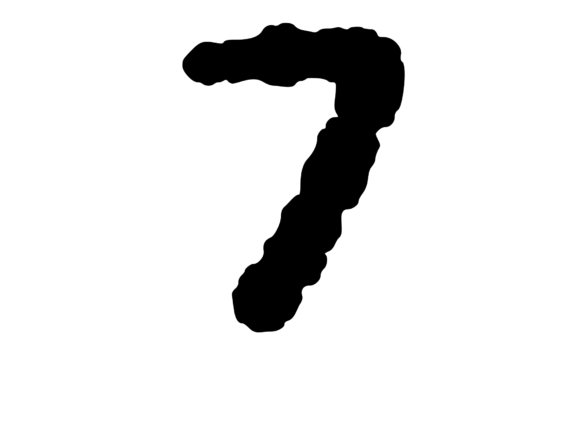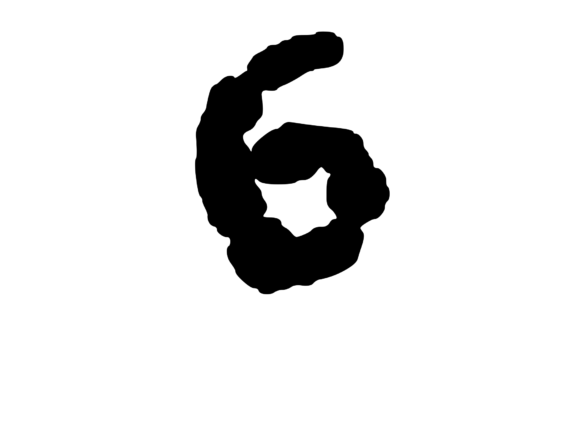
Ink Blot Stain Mono Number 6: Honest Project Review
Evaluating a design for real embroidery production requires looking past the pretty screenshot. I recently got my hands on the Ink Blot Stain Mono Number 6 from the Graphics section of the Crafts category, and I put it through its paces on my multi-needle machine. This review covers the practical side of using this design for handmade products, custom apparel, and commercial projects, so you know exactly what to expect before you commit thread to fabric.
First Look – The Artistic Edge
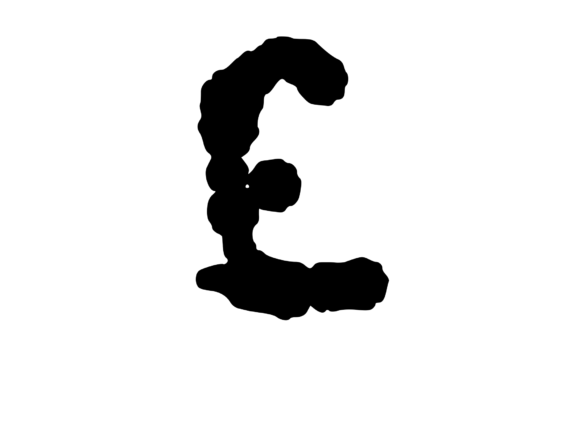
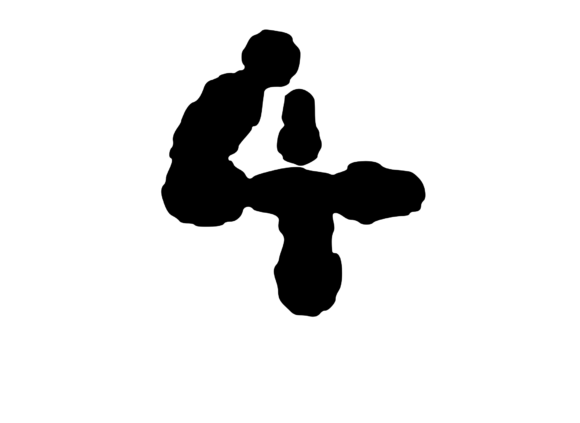
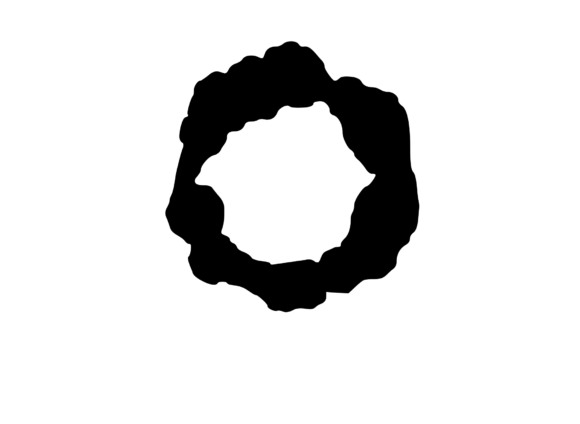
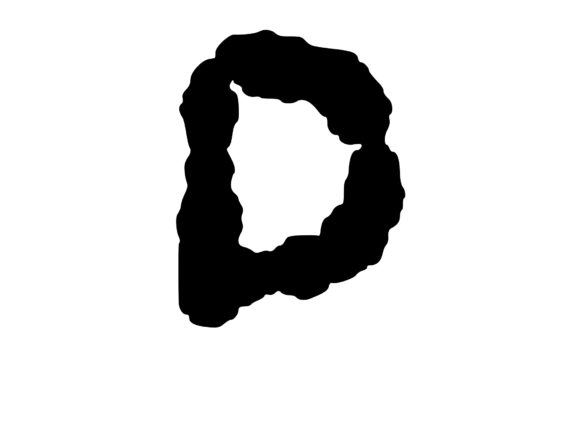
The first thing I noticed is the texture. This isn't a clean, sterile monogram. It has a hand-drawn, inky quality that feels current and urban. For Etsy sellers and small shop owners tired of standard block fonts, this offers a way to add an artistic, rebellious edge to custom apparel and personalized gifts. The mono letter format makes it perfect for monogrammed sweatshirts, tote bags, and even embroidered patches. The visual personality immediately tells the customer that this isn't a generic machine embroidery design – it feels like a piece of original art.
Translating a Graphic to Thread
Here is the honest truth: this is a Graphics file, meaning it is a vector SVG. It is not a native machine embroidery file ready to load and stitch. Your path forward is either using high-quality digitizing software or hiring a professional digitizer. The ink blot effect contains irregular edges and solid fills that require careful mapping. If you use a heavy fill stitch across the entire letter, you will end up with a stiff, overly dense patch that puckers on lightweight fabric.
Satin Stitch vs. Fill Stitch
For the cleanest result, I recommend a satin stitch border around the main letter body and a low-density tatami fill for the interior ink blot areas. This gives a slightly raised, plush texture to the ink, closely mimicking the opacity of liquid ink on paper. Adjust the stitch angle to follow the natural flow of the letter to avoid a grid-like appearance. The beauty of this machine embroidery design is that minor thread breaks or slight registration issues actually enhance the aesthetic. Machine embroidery's tiny imperfections mimic the original art medium perfectly.
Real-World Embroidery Performance
I tested Ink Blot Stain Mono Number 6 on a 10oz canvas tote bag. I scaled the letter to fit a 5x7 hoop, used a glossy black polyester thread, and a medium weight cutaway stabilizer. The result was outstanding. The ink blot effect looked intentional and artistic, and the hand feel was surprisingly soft for a filled letter.
I also tested it on a cotton-spandex sweatshirt. Here, I had to use a fusible knit stabilizer to prevent the letter from distorting. The stretchy fabric wanted to pull the ink blot out of shape, but with proper stabilization, it maintained its character. This design shines on stable fabrics like canvas, denim, felt, and structured knits.
Best Applications for Your Craft Business
If you run a small shop or sell on Etsy, this embroidery project fits several profitable niches:
- Custom Apparel: Denim jackets, hoodies, and t-shirts for an artsy, creative demographic.
- Home Decor: Embroidered pillow covers and tea towels with a modern, minimalist artistic quote.
- Accessories: Embroidered patches and caps. The ink blot look on a structured cap front is very stylish.
- Personalized Gifts: Offer it as an alternative monogram style for holiday gifts, wedding gifts, or nursery decor.
- Small Shop Merchandise: Use it as a branding element for your own boutique product line.
Because it falls under Graphics, you have the flexibility to resize the vector before digitizing, making it scalable from a 4x4 hoop to a large 10x10 hoop without losing edge crispness. This is a major advantage when creating printable mockups or adjusting for different garment sizes.
Critical Considerations for Stitching
Before you load your machine, keep these practical notes in mind:
- Stitch Density: Monitor the fill density. Too dense, and it puckers. Too light, and the ink blot effect looks washed out. Aim for a density that gives solid coverage without creating a stiff patch.
- Fabric Texture: Avoid lightweight silks or very thin quilting cotton. The design needs some body to support the stitch count. Textured fabrics like linen or raw canvas add to the organic feel.
- Hoop Size: A 4x4 hoop will capture the main letter but might clip the beautiful ink splatters. I strongly recommend a 5x7 hoop or larger to let the design breathe.
- Thread Colors: High contrast works best. Bright white on a dark tee, or solid black on natural canvas. Variegated threads could be interesting, but a solid color reinforces the “ink” illusion.
- Stabilizer: Use a cutaway stabilizer for garments that will be washed frequently. Tear-away might cause the finer “blot” edges to distort over time.
- Licensing: Always check the commercial license for the SVG file before mass-producing finished products for sale. As with all Graphics in the Crafts category, confirming your usage rights protects your business.
Designer Scenario – Building a Product Line
Imagine you are preparing for a summer craft fair. You want a line of personalized tote bags. You offer “Ink Blot Monograms.” The customer chooses their letter. You load the SVG into your digitizing software, adjust the size to fill a 5x7 hoop, pick a high contrast thread, and stitch it out. The artistic look commands a higher price point because it doesn't look like a generic monogram. It looks like a piece of art. This is the power of using unconventional design assets in your embroidery workflow.
Wash and Wear Durability
How does it hold up in the laundry? Because the design relies on a cohesive fill, poor quality thread or a stabilizer that breaks down will cause the “ink blot” to crack or fray. Use a quality thread like Isacord or Madeira and a permanent cutaway stabilizer for garments that will be washed frequently. The design’s aesthetic actually ages well – slight fraying over time complements the already distressed, inky look.
Final Verdict – Who Is This For?
Ink Blot Stain Mono Number 6 is not for the beginner who wants a quick stitch-and-go file. It requires preparation, the right stabilizer, and a thoughtful approach to digitizing. However, for the experienced embroidery designer or the ambitious Etsy seller, the payoff is a truly unique finished product that stands out from the generic embroidery crowd. It feels like a design asset that respects the maker’s skill.
I would confidently use this for a limited run of boutique items, personalized gifts, or custom orders where the customer wants something with genuine artistic personality. This is one of those rare Graphics files that, when properly translated, elevates your handmade product from simple craft to wearable art.