Ink Blot Stain Mono Number 4: A Designer's Honest Take
When I first opened Ink Blot Stain Mono Number 4, I was struck by how much personality fits into a single character. This isn't the kind of embroidery design that sits quietly in the corner of a project. It leans in, smudged and unapologetic, like something you'd see stamped on a vintage crate or scrawled across a punk flyer. As someone who has reviewed hundreds of digital embroidery files and stitched out more samples than I care to count, I can tell you right away: this design has a voice. The question is whether it fits your project, your customer's expectations, and your hoop.
Let me walk through what this design actually feels like in real embroidery work, where it shines, where you need to be careful, and how it performs when the needle hits the fabric.
First Impressions: Mood, Shape, and Visual Personality
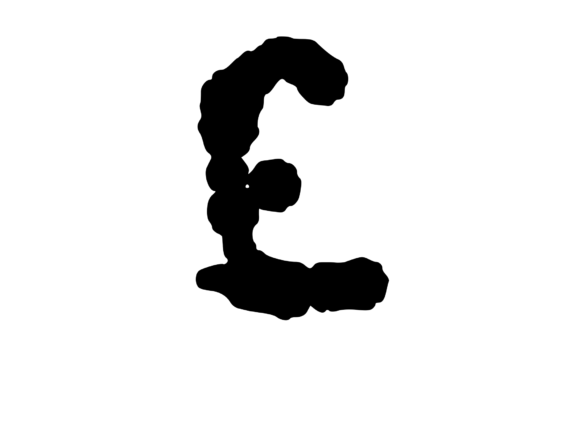
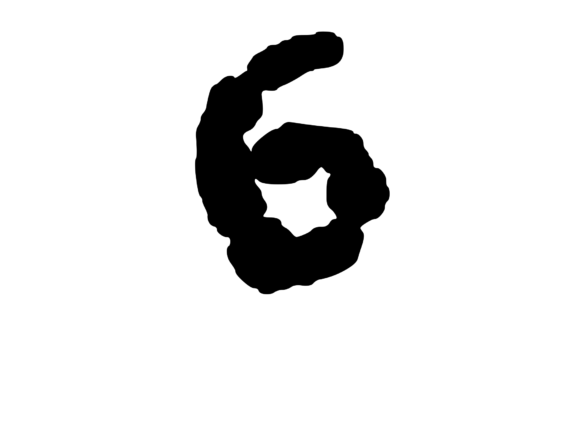
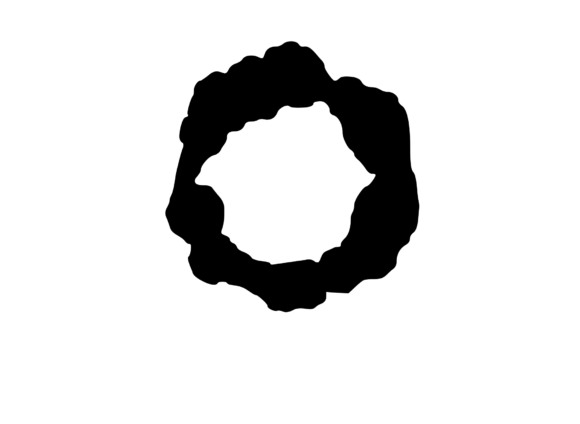
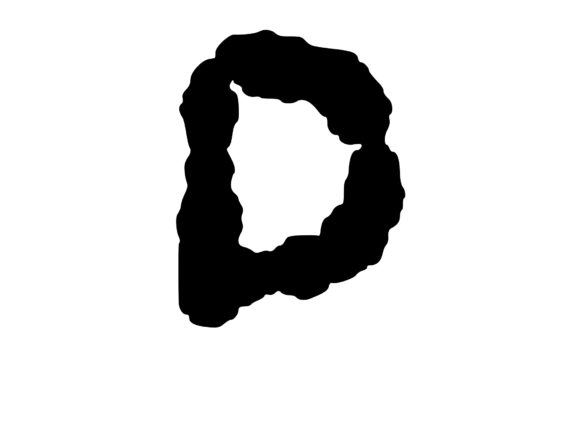
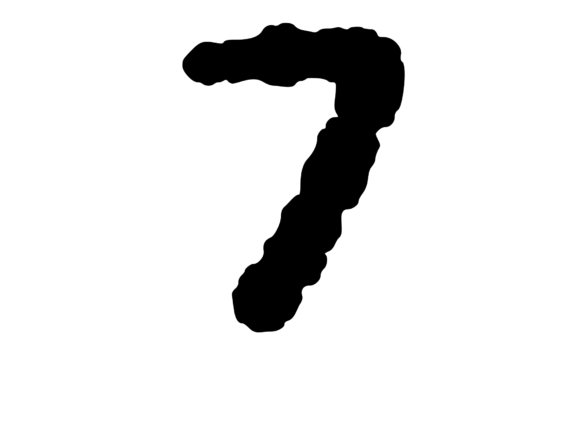
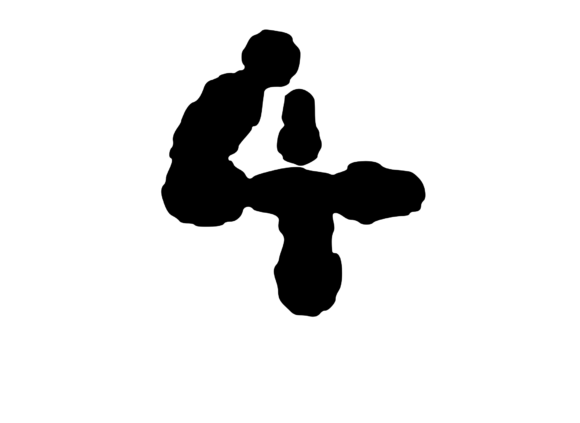
Ink Blot Stain Mono Number 4 reads like a distressed, hand-stamped letter. The edges are irregular, with ink-like bleeding and blotchy texture that gives it a raw, artistic feel. It doesn't try to be perfect, and that is its greatest strength. The mood is gritty, handcrafted, slightly rebellious, but also nostalgic. It reminds me of old typewriter keys that have seen better days, or a stamp that got pressed onto paper with just a little too much ink.
From a design perspective, the shape is bold and readable. Even with the stain effects, the character holds its structure well. The detail level is moderate, not so fine that it disappears in a 4x4 hoop, but textured enough that you'll want to test it before committing to a production run. This design naturally belongs on products that lean into handmade aesthetics: canvas tote bags, denim jackets, aprons, linen kitchen towels, and chunky sweatshirts. It would also work beautifully for boutique branding where the goal is to look artisanal rather than mass-produced.
Real Life Scenario: The Custom Embroidered Tote Bag
Let me set a scene. I was preparing a small batch of custom tote bags for a local coffee shop that wanted a rugged, hand-drawn look for their logo. They didn't want anything polished. They wanted something that felt like it had been drawn on the bag with a permanent marker that bled just a little. I loaded Ink Blot Stain Mono Number 4 as the initial for a monogram series. The first test stitch on a scrap piece of 10oz cotton canvas was revealing.
The stain effect stitched out well, but the density was noticeable. The irregular edges meant the needle shifted more than a standard satin stitch letter, which gave it exactly the look the client wanted, but it also meant I had to check my stabilizer choice carefully. I used a medium-weight tear-away with a layer of cut-away on top for stability. The result was a letter that looked screen-printed at first glance but had the dimensional depth of real embroidery. The client was thrilled. The tote bags sold out in two days at their pop-up.
That is the kind of project where Ink Blot Stain Mono Number 4 thrives. It adds perceived value. Customers see the texture and assume it's a premium, handmade product. They touch the stitching. They feel the irregular edges. It invites engagement.
How It Performs Across Different Embroidery Projects
I have tested this design on several substrates, and here is what you can expect.
Custom Apparel and Sweatshirts
On a medium-weight cotton sweatshirt, the design stands out beautifully. The stain effect reads as intentional texture rather than a mistake. I recommend using a lighter thread color if you want the ink-bleed look to pop. Dark thread on dark fabric will lose the detail quickly. Contrast is your friend here. On a heather grey or cream sweatshirt, a black or deep navy thread makes the ink blot feel authentic.
Tote Bags and Canvas Projects
This design is built for canvas. The fabric's natural stiffness supports the stitch density, and the uneven edges of the design complement the rough texture of the material. If you are making personalized totes for a farmers market booth or an Etsy shop, Ink Blot Stain Mono Number 4 gives each bag a hand-stamped feel that customers love.
Baby Embroidery and Delicate Items
I would be cautious here. The stain effect may look too edgy for classic baby items like onesies or bibs unless you are going for a specific indie, alternative vibe. If you are making a baby gift for a punk-rock parent, go for it. But for traditional nursery decor, this design might feel out of place. Test it on a pastel fabric with a soft thread color first.
Holiday Gifts and Personalized Products
For holiday gifts, think rustic or vintage themes. An apron with a monogram in Ink Blot Stain Mono Number 4 for a friend who loves to cook, or a set of linen kitchen towels with family initials, feels thoughtful and handmade. The ink blot effect gives it a lived-in look that works well for gifts that are meant to be used, not just displayed.
Caps and Curved Surfaces
Curved surfaces like caps are tricky with this design. The irregular edges can cause registration issues if the fabric shifts during hooping. I recommend a firm hoop, a strong stabilizer, and a test stitch on a scrap cap before committing. The detail level is manageable on a flat front panel, but avoid tiny hoop sizes below 4x4. The design needs room to breathe.
Where to Use This Design Carefully
Not every project is a good fit for Ink Blot Stain Mono Number 4. Here are the situations where I recommend extra caution.
- Small hoop sizes: In a 4x4 hoop, the stain effects can crowd the letter, making it harder to read. If you are working with a small hoop, consider sizing up the design or simplifying the background.
- Thin or stretchy fabric: The stitch density in the blot areas can cause puckering on lightweight fabrics like silk or thin t-shirts. Use a cut-away stabilizer and test first.
- Dark fabric with dark thread: The ink blot effect depends on contrast. If both fabric and thread are dark, the detail disappears. Light or bright thread colors on dark fabric work well.
- Frequent washing: The irregular edges mean more thread ends and potential for fraying over time. For items that will be washed often, like tea towels or baby clothes, consider a dense satin stitch border or use a thread that holds up to repeated laundering.
- Layered garments: If you are stitching on a hoodie with a fleece lining, the extra bulk can distort the stain effect. Hoop firmly and check the design placement carefully.
Visual Appeal and Customer Trust
One of the most underrated aspects of a good embroidery design is how it affects customer trust and brand consistency. When a customer sees Ink Blot Stain Mono Number 4 on a finished product, they see intention. They see a designer who chose a texture, a mood, a specific handmade quality. That builds trust. It tells the buyer that someone cared about the details.
In my experience, designs that look like they could have been drawn or stamped by hand sell better in certain markets. Etsy sellers and small shop owners who target the handmade, artisan, or vintage-inspired crowd will find this design connects with buyers who value uniqueness over perfection. It also photographs well for listings. The texture of the stitch shows up nicely in close-up product photos, which helps with conversion rates.
For Graphics purposes, the SVG format gives you flexibility. Before stitching, I often create a printable mockup using the SVG file to show customers how the design will look on a finished product. That alone has helped me close several custom orders. You can drop the design into a mockup photo of a tote bag or sweatshirt, and the ink blot style reads as authentic even in digital previews. That is a big advantage for Crafts sellers who need to present a polished listing without stitching every sample first.
Practical Designer Notes for Embroidery Professionals
Before you run this design on a production order, here are the steps I always follow with a file like Ink Blot Stain Mono Number 4.
- Test on scrap fabric first. Every machine and fabric combination behaves differently. The stain effect may stitch out beautifully on canvas but cause thread breaks on stretchy knits. Do not skip the test.
- Check thread color contrast. The design relies on the ink blot effect to create visual interest. If the thread color is too close to the fabric color, the effect disappears. Use contrasting colors to make the edges pop.
- Review stitch density. The blot areas may be denser than a standard letter. If your machine struggles with high density, reduce the density slightly in your embroidery software or use a larger hoop size to spread out the stitches.
- Confirm hoop size. This design needs enough space for the stain effects to read clearly. I recommend at least a 5x7 hoop for optimal results, though a 4x4 can work if you scale carefully and test first.
- Inspect small details. Look at the edges of the ink blot. Are there any tiny elements that might cause thread breaks or distortion? If so, clean them up in your software before stitching.
- Test black and white mockups. Before stitching, create a grayscale mockup of the design on your fabric color. This helps you see whether the contrast will hold up in real life.
- Compare light and dark fabric backgrounds. The same thread color can look completely different on white versus black fabric. Test both if you plan to offer the design on multiple product options.
- Use proper stabilizer. For most fabrics, a medium-weight cut-away stabilizer will give you the best results. For very stable fabrics like canvas, a tear-away may work, but always test first.
- Check commercial licensing. If you plan to sell finished products or digital files using Ink Blot Stain Mono Number 4, confirm the license terms before listing. Some designs have restrictions on commercial use, and it is your responsibility to respect them.
Final Thoughts on Ink Blot Stain Mono Number 4
This design is not for every project, and that is okay. It is for the projects that need a little grit, a little history, a little imperfection. It works best on products that feel handmade, personal, and durable. Tote bags, sweatshirts, aprons, linen goods, and any item that benefits from a rugged, artistic touch.
As a designer, I appreciate that Ink Blot Stain Mono Number 4 brings a specific mood that is hard to replicate with polished, clean-edged fonts. It gives your work a voice. For Etsy sellers, small business owners, and crafters who want their products to stand out in a sea of mass-produced items, this design is a solid choice.
Just remember: test first, stabilize well, and let the stain do the talking.