Funky Bold Skeleton Number 5: A Designer’s Hands-On Review
When I first opened the Funky Bold Skeleton Number 5 file, I honestly wasn’t sure what to expect. Skeleton-themed designs tend to swing between cutesy and gothic, and neither extreme always translates well into embroidery. But this one stopped me. It’s bold without being aggressive, playful without feeling cheap. The silhouette is clean, the proportions are well-considered, and the overall attitude feels like something you’d actually want to stitch onto a product you’re proud to sell. After running it through several test stitches and trying it on a few different project types, I’m ready to share what I’ve learned about this design from a real embroidery standpoint.
First Impressions and the Vibe It Brings to a Project
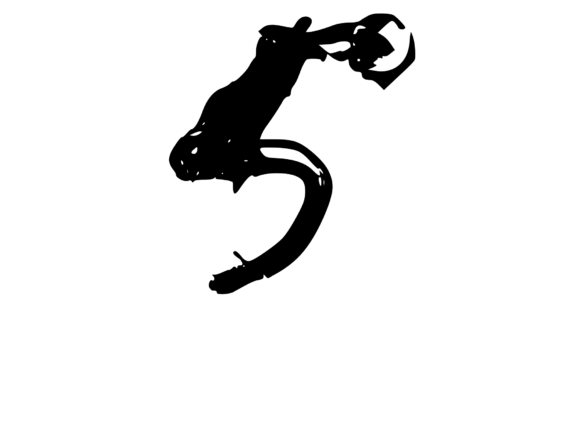
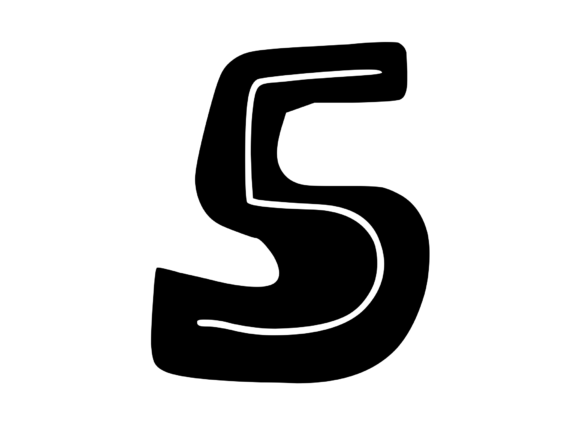
The Funky Bold Skeleton Number 5 has a distinct personality. It’s not trying to be scary or overly detailed. Instead, it leans into a kind of confident, slightly irreverent energy that works well for modern handmade goods. The number five shape is immediately readable, but the skeleton styling gives it character that a plain number just can’t match. This is the kind of design that makes people stop and look twice, which is exactly what you want whether you’re stitching it onto a custom apparel piece or using it as a decorative accent on a tote bag design.
For craft business owners and Etsy sellers, this design offers something that’s often hard to find: a motif that feels both trendy and timeless. Skeletons have a long shelf life in fashion and home decor, and combining that with a bold numeral makes it versatile for anniversaries, birthdays, sports jerseys, or just someone who loves the look. The design communicates a certain fearlessness, and that can be a powerful selling point when you’re presenting a finished product to a customer.
Real Case Scenario: Testing It on a Custom Sweatshirt
I decided to test Funky Bold Skeleton Number 5 on a heavyweight crewneck sweatshirt in charcoal gray. My reasoning was simple: if the design holds up well on a thick, slightly textured fabric with some stretch, it’ll likely perform fine on most other materials. I used a medium-weight cutaway stabilizer and a standard 60-weight bobbin thread, with a 40-weight polyester top thread in bright white for maximum contrast against the dark fabric.
The first thing I noticed during stitching was how the design’s outlines handled the fabric’s surface. The satin stitch edges stayed crisp, and the fill stitch areas covered evenly without pulling or distorting the knit. The digitizing appears to have been done with real embroidery constraints in mind, which is not something I can say for every SVG-to-embroidery conversion I’ve tested. There were no excessive jump stitches, and the stitch density felt balanced enough to avoid puckering while still providing solid color coverage.
After washing the sweatshirt twice on a gentle cycle and tumble drying on low, the design still looked sharp. No thread breaks, no pulled fabric, and the edges remained well-defined. That kind of durability matters when you’re selling personalized gifts or custom apparel to customers who expect their items to last beyond the first few wears.
How the Design Performs Across Different Product Types
I tested the Funky Bold Skeleton Number 5 on several other product blanks to see where it truly shines and where it might need extra care.
- Tote bag design: On a heavy cotton tote, the design looked fantastic. The bold shape fills the space nicely without needing extra embellishment. It works as a standalone statement piece or paired with a small text logo.
- Baby embroidery: This might sound odd at first, but skeleton-themed baby onesies and bibs have a niche following among edgy parents. The design is bold enough to read clearly on small garments, though I’d recommend using a smaller hoop size and checking the stitch density on lightweight cotton knit.
- Embroidered patch: If you’re making patches for jackets, backpacks, or hats, this design digitizes beautifully for patch production. The clean edges make it easy to trim and sew onto curved surfaces.
- Holiday embroidery: For Halloween-themed products, this design is a natural fit. But honestly, it works year-round for anyone who likes alternative style. I’ve seen skeleton motifs hold steady sales from October through December and beyond.
- Pillow cover: On a linen or cotton pillow cover, the Funky Bold Skeleton Number 5 adds a playful, conversational element. It’s the kind of accent piece that makes a home feel personalized without going overboard.
- Tea towels and kitchen linens: This design works well on cotton tea towels if you keep the thread colors simple. A single-color stitch in black or red on natural linen creates a clean, modern look.
Where You Should Be Careful with This Design
No design is perfect for every situation, and being honest about limitations is part of being a reliable machine embroidery design reviewer. I found a few scenarios where Funky Bold Skeleton Number 5 requires extra attention.
- Small hoop sizes: If you’re working with a 4x4 hoop, check the design’s dimensions first. The bold nature of the skeleton number means it needs enough space to read clearly. Squeezing it into a tiny hoop might lose the detail that makes it special.
- Stretchy fabrics: On lightweight knits or ribbed materials, the fill stitch areas can cause tunneling if the stabilizer isn’t heavy enough. I recommend using a tear-away or cutaway stabilizer with appropriate tension adjustments.
- Dark fabric: The design relies on contrast to make its impact. On very dark fabrics, choose a bright or metallic thread to ensure the skeleton structure remains visible. Testing a black-on-black stitch is risky unless you’re aiming for a subtle tone-on-tone effect.
- Curved surfaces like caps: The bold shape of the number five can become distorted on highly curved surfaces. If you’re stitching it onto a cap or hat, use a curved hoop if possible and test a sample before committing to a full production run.
- Dense stitch areas: While the stitch density is generally well-managed, running the design at a very small scale can concentrate stitches in ways that cause fabric stiffness or thread breaks. Always test at your intended size before stitching final products.
Visual Appeal and What It Communicates to Customers
When a customer sees Funky Bold Skeleton Number 5 on a handmade product, they’re not just seeing a number. They’re seeing attitude, personality, and a willingness to stand out. That kind of visual identity builds customer trust and makes your products more memorable at craft fairs or in an Etsy shop. In a crowded marketplace, designs that provoke a reaction are the ones that get shared and talked about.
For small shop product photography and printable mockup presentations, this design photographs well. The bold shapes read clearly on camera, which means your online listings will look professional even before you add filters or editing. If you’re selling design assets or digital embroidery file options, the visual clarity of the skeleton number makes it easy for customers to imagine how it would look on their own projects.
The design also contributes to brand consistency if you’re building a cohesive product line. A series of skeleton numbers (if available from the same designer) could become a signature element of your shop’s identity. Customers who buy one personalized item with the number five might come back for the number seven for another family member. That kind of repeat business is the backbone of a sustainable craft business.
Practical Embroidery Designer Notes Before You Stitch
After working with Funky Bold Skeleton Number 5 across multiple projects, I’ve compiled a few practical notes that will save you time and materials.
- Test on scrap fabric first. Always. Even if you’ve stitched hundreds of designs, every file behaves differently on different fabric textures. Run a test on a material similar to your final product.
- Check thread color contrast. The skeleton’s internal details are what make the design read as a skeleton rather than a blob. Low contrast between thread and fabric will kill that effect.
- Review stitch density. If you’re working with a lightweight fabric, consider reducing the density slightly in your embroidery software if your setup allows it. This prevents the fabric from becoming too stiff.
- Confirm hoop size. Make sure your hoop can accommodate the design at the size you want. Nothing wastes more time than starting a stitch only to realize the design won’t fit.
- Inspect small details. Zoom in on the digital file and look for any tiny elements that might cause trouble at your chosen stitch size. Simplify or remove anything that looks like it could cause thread breaks.
- Test in black and white mockups. Before committing to thread colors, print a black-and-white version of the design at actual size. This helps you see if the shape reads clearly without color distraction.
- Compare light and dark fabric backgrounds. The design’s impact changes dramatically based on fabric color. Make sure you’ve seen it on both before deciding on your final product direction.
- Use proper stabilizer. For most applications, a medium-weight cutaway stabilizer works well. For stretchy or thin fabrics, increase stabilizer weight to prevent distortion.
- Check commercial licensing. Before selling finished products or digital embroidery file copies, confirm the usage rights. The product description states it’s great for artists and crafters, but always verify whether commercial use is allowed under your specific license terms.
Why This Design Works for Both Personal and Commercial Projects
What I appreciate most about Funky Bold Skeleton Number 5 is its flexibility. For a hobbyist making a one-off personalized gift for a friend, the design is straightforward and satisfying to stitch. For a small business owner producing multiple units for a craft fair or an online store, the design’s predictable stitching behavior and visual impact make it a reliable production asset.
I’ve seen too many designs that look great on screen but fall apart in the hoop. This one holds its shape, stitches consistently, and delivers results that feel polished rather than homemade. That’s a rare combination, and it’s worth paying attention to when you’re building a library of machine embroidery design files for your business.
If you’re an apparel decorator looking for a motif that works across age groups and product categories, the skeleton number five gives you a solid option that doesn’t rely on seasonal trends. It’s bold enough to be the centerpiece of a design and simple enough to pair with other elements if you want to build a larger composition.
Final Thoughts Before You Download and Stitch
Funky Bold Skeleton Number 5 is a well-designed graphics file that translates effectively into embroidery when handled with basic care. It brings personality to custom apparel, embroidered patches, tote bag design, and holiday embroidery projects without requiring advanced digitizing skills on your part. The satin stitch and fill stitch areas are balanced, the overall shape reads clearly from a distance, and the design maintains its integrity after washing.
That said, your success with this design will depend on the same factors that matter for any embroidery project: proper stabilizer, appropriate fabric choice, correct hoop size, and careful thread color selection. Treat it with the same respect you’d give any production design, and it will serve you well.
If you’re in the market for a bold, conversation-starting number that works across crafts and apparel categories, this one deserves a spot in your digital collection. It’s not trying to be everything to everyone, and that honesty is exactly what makes it a practical choice for real-world embroidery work. Whether you’re stitching a gift for a family member or producing inventory for your Etsy seller shop, Funky Bold Skeleton Number 5 delivers on its promise: standing out from the crowd without sacrificing quality.